
Last updated on September 8th, 2026 at 02:18 pm
Ever wonder why one keyboard glides under your fingers while another makes them work for every keystroke?
That difference comes down to one critical component: the switch. This guide cuts through the technical jargon to explain the three core switch families linear, tactile, and clicky using analogies you can actually feel. Think of a soft cushion, a gentle bump, or a crisp snap.
You’ll get the clarity needed to choose what truly fits your style, whether you’re gaming, typing, or powering through long work sessions. By the end, you’ll know exactly what to look for and which switches are worth your next upgrade.
Because the right switch isn’t just a detail. It’s the foundation of your daily comfort, speed, and satisfaction every time your fingers meet the keys.
Understanding Switch Types
Linear switches move straight up and down with no bump or click, delivering a clean, uninterrupted feel. Imagine pressing your finger through smooth, cold butter that’s the seamless glide they offer. This makes them a favorite for gaming, where quick, repeated keypresses feel effortless, and for anyone who prefers a uniform, predictable response. Popular examples include Cherry MX Red, Gateron Yellow, and Kailh Speed Silver.
Tactile switches feature a subtle, rounded bump mid-keystroke that lets you feel the actuation point without a loud click. This feedback makes each press feel intentional and controlled like rolling your finger over a soft speed bump. It’s the balanced choice, ideal for typing, hybrid use, and those who want guidance without extra noise. Classic examples are Cherry MX Brown, Gateron Brown, and Zealio V2.
Clicky switches combine a tactile bump with a sharp, audible click at the actuation point. You get a clear physical and sound confirmation with each press, offering a precise, satisfying feel reminiscent of snapping a ballpoint pen. They’re perfect for enthusiasts who enjoy the classic keyboard sound and don’t mind the noise. Standouts in this category are Cherry MX Blue, Gateron Blue, and Kailh Box White.
Top 10 best mechanical keyboard switches in 2025 – At a Glance
- 1. Best overall: Gateron Yellow
- 2. Best budget tactile: Gateron Brown
- 3. Best premium tactile: Holy Panda
- 4. Best budget linear: Akko Silver
- 5. Best fast gaming switch: Cherry MX Red
- 6. Best tactile for typing: Gateron Zealio
- 7. Best silent switch for shared rooms: Cherry MX Silent Red
- 8. Best smooth premium linear: Gateron Oil King
- 9. Best clicky experience: Gateron Blue
- 10. Best clicky snap feel: Kailh Box White
Why Your Switch Choice Matters
Think of switches as the personality of your keyboard. They don’t just register keypresses they define the entire feel and experience. Changing them transforms your board’s character completely.
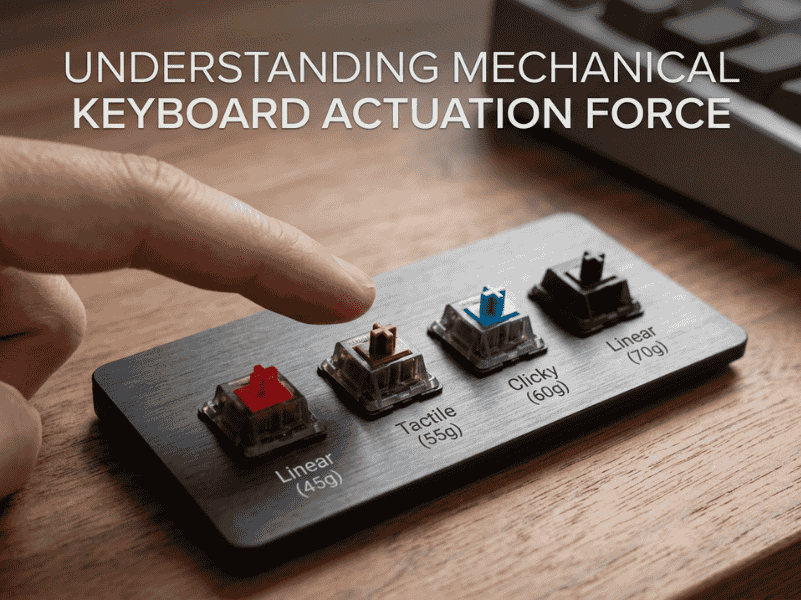
This comes down to their core physical properties: actuation force (how hard you press) and tactile feedback (what you feel during the press). If you’re new to the concept, this guide explains mechanical keyboard switch actuation force and why it matters for typing comfort. As outlined in our introduction, these traits create the distinct identities of linear, tactile, and clicky switches.
Beyond feel, sound is a crucial dimension. Each switch type has its own acoustic profile, from the subtle whisper of silent linears to the pronounced click of a tactile blue.
Ultimately, your daily comfort and flow hinge on this choice. The right switch makes typing or gaming feel intuitive and effortless, while the wrong one can introduce a subtle friction to every single keystroke.
10 Best mechanical keyboard switches in 2026 – Reviews
1. Best overall: Gateron Yellow
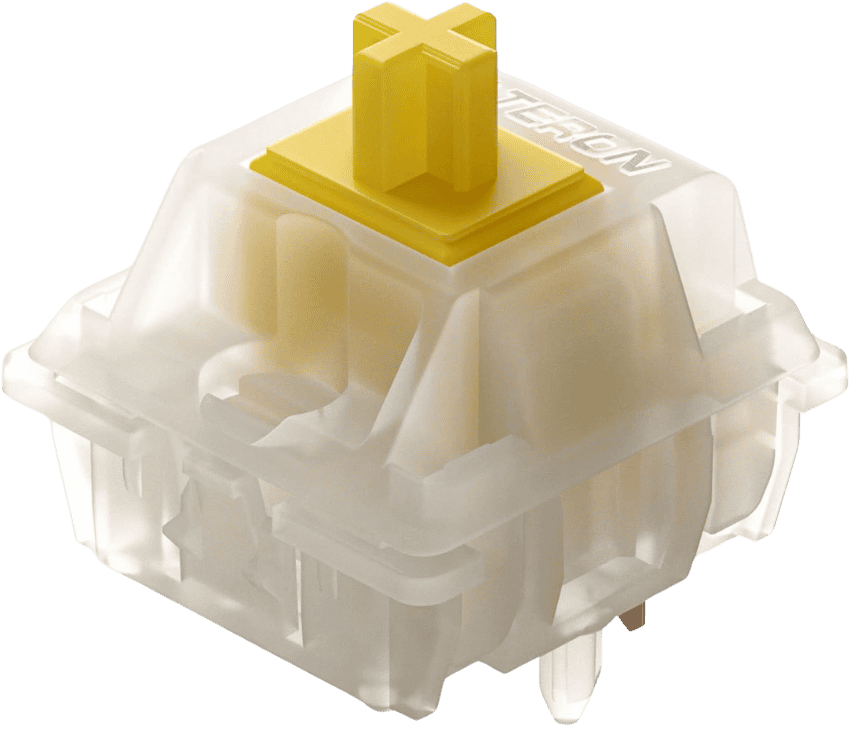
Image credit: (Amazon)
Part of the renowned Gateron Yellow family, these linear mechanical switches have become a favorite for offering premium feel at an affordable price. Positioned as a top-tier budget to mid-range option, they are versatile enough for both focused typing and responsive gaming.
The V2 (or “Pro”) revision represents a meaningful upgrade. They arrive factory-lubed, providing a remarkably smooth and consistent keystroke that eliminates the scratchiness found in many stock switches. With a 50gf actuation force, they strike an ideal balance light enough for comfort during long sessions but with enough resistance to prevent accidental presses.
A balanced review acknowledges both strengths and common community notes. A point often discussed among enthusiasts is the tactile precision of the stem:
“Users on Reddit mention that there can be ‘stem wobble,’ though the KS-3 mold is retooled to reduce this compared to older versions.”
-
Smooth and consistent, especially when lubed
-
Deep thock with good keycaps or mod
-
Durable and MX-compatible
-
Strong value for the price
-
Minor issues with some north-facing keycaps
-
Needs lubing or foam for quieter use
The Gateron Yellow V2 is the definitive recommendation for anyone seeking a smooth, reliable linear switch without venturing into high-end price brackets. It delivers outstanding value by marrying performance with significant cost savings.
2. Best budget tactile: Gateron Brown 3.0

Image credit: (Amazon)
The Gateron Brown 3.0 stands as a very solid, well-rounded tactile switch. It’s engineered to deliver clear tactile feedback without the loud noise or complexity of its clicky cousins, making it a famously versatile and reliable choice in the “Pro” series.
With a 55gf actuation force paired with a pronounced yet rounded bump, it strikes a balance that works well for both typing and gaming. The 5-pin design (two additional plastic legs) ensures the switch sits exceptionally securely on the PCB, enhancing stability and reducing wobble for a consistent feel across the entire board. The sound profile offers a decent balance, capable of a soft thock keyboard sound or a sharper note depending on your keyboard case and keycap materials. It’s worth noting that the nature of its tactility is a key point of discussion. User experiences can vary, highlighting the subjective element of “feel”:
“I don’t really feel tactiles … the tactility on these felt almost non-existent, and I really enjoyed the sound of them.”
-
Light, smooth tactile feel
-
Good stock smoothness from factory lube
-
Reliable for typing and gaming
-
Quiet enough for shared space
-
Durable and MX-compatible
-
Tactile bump is mild
-
Some units feel slightly scratchy
The Gateron Brown 3.0 won’t surprise you with intense tactility, but it delivers a remarkably polished, stable, and enjoyable typing experience. It’s an excellent gateway into tactile switches and a supremely reliable daily driver.
3. Best premium tactile: Holy Panda
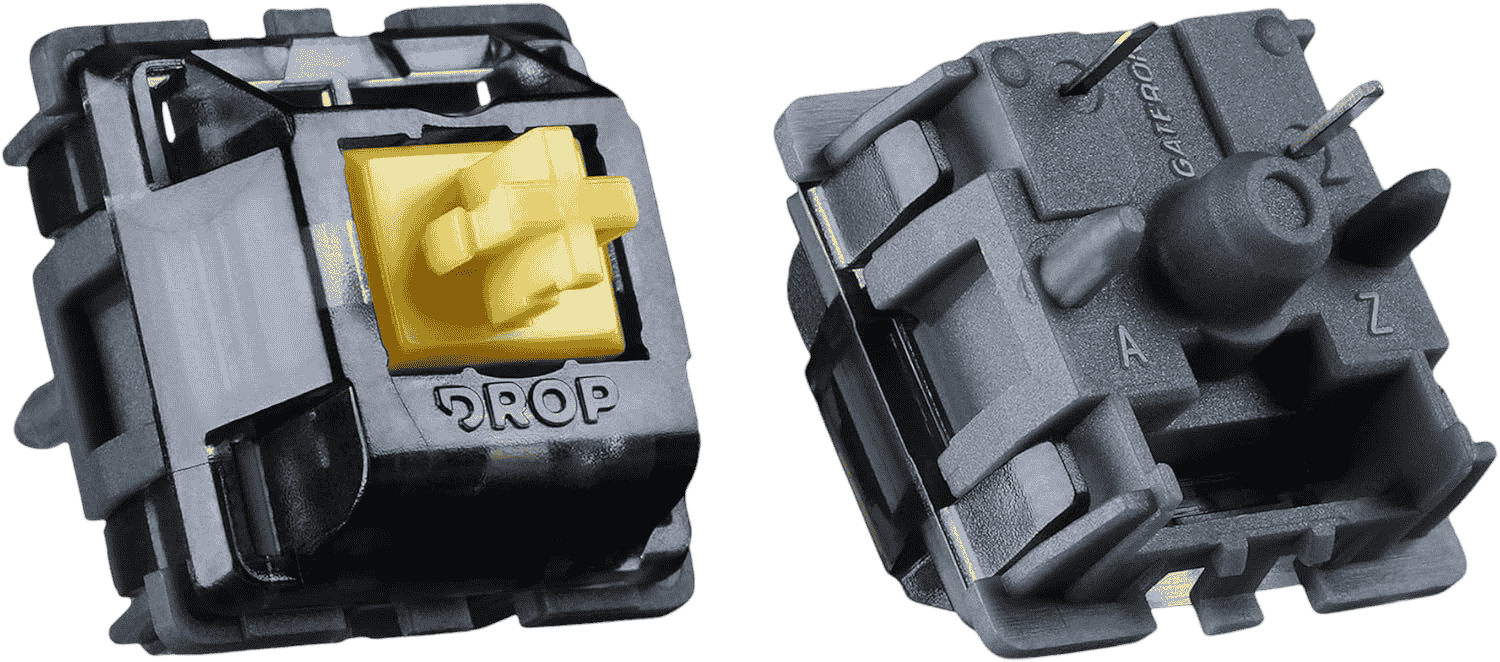
Image credit: (Amazon)
The Holy Panda holds a legendary status in the mechanical keyboard community as a quintessential tactile switch. Originally a “frankenswitch” made from parts of different models, its sought-after feel is now expertly reproduced and refined in the Drop Holy Panda X a more consistent and readily available version that lives up to the hype.
Drop’s focus with the ‘X’ variant was on precision engineering: improving stem stability and ensuring factory lubrication consistency. The result is a switch that excels in almost every aspect, offering remarkable smoothness and a cohesive typing feel that some enthusiasts compare to the revered electrostatic capacitive response of Topre switches.
The tactile character is distinct. It features a fairly heavy, rounded, and long tactile bump. The typing feel is immediate, with almost no linear travel before you hit the pronounced bump, thanks to its minimal pre-travel. The bottom-out and return sensation are equally polished; the spring provides a smooth, deliberate rebound that completes each keystroke satisfyingly.
-
Strong, satisfying tactile bump
-
Heavier feel improves control and accuracy
-
Low stem wobble with solid build quality
-
Quiet, muted sound profile
-
MX-compatible and easy to use in hot-swap boards
-
Expensive compared to most tactiles
-
Some reports of scratchiness or inconsistent QC
The Drop Holy Panda X is the definitive choice for typists and enthusiasts seeking a high-quality, readily available tactile switch with a pronounced and refined bump. It delivers a sophisticated and deeply satisfying typing experience that justifies its premium status.
4. Best budget linear: Akko Silver
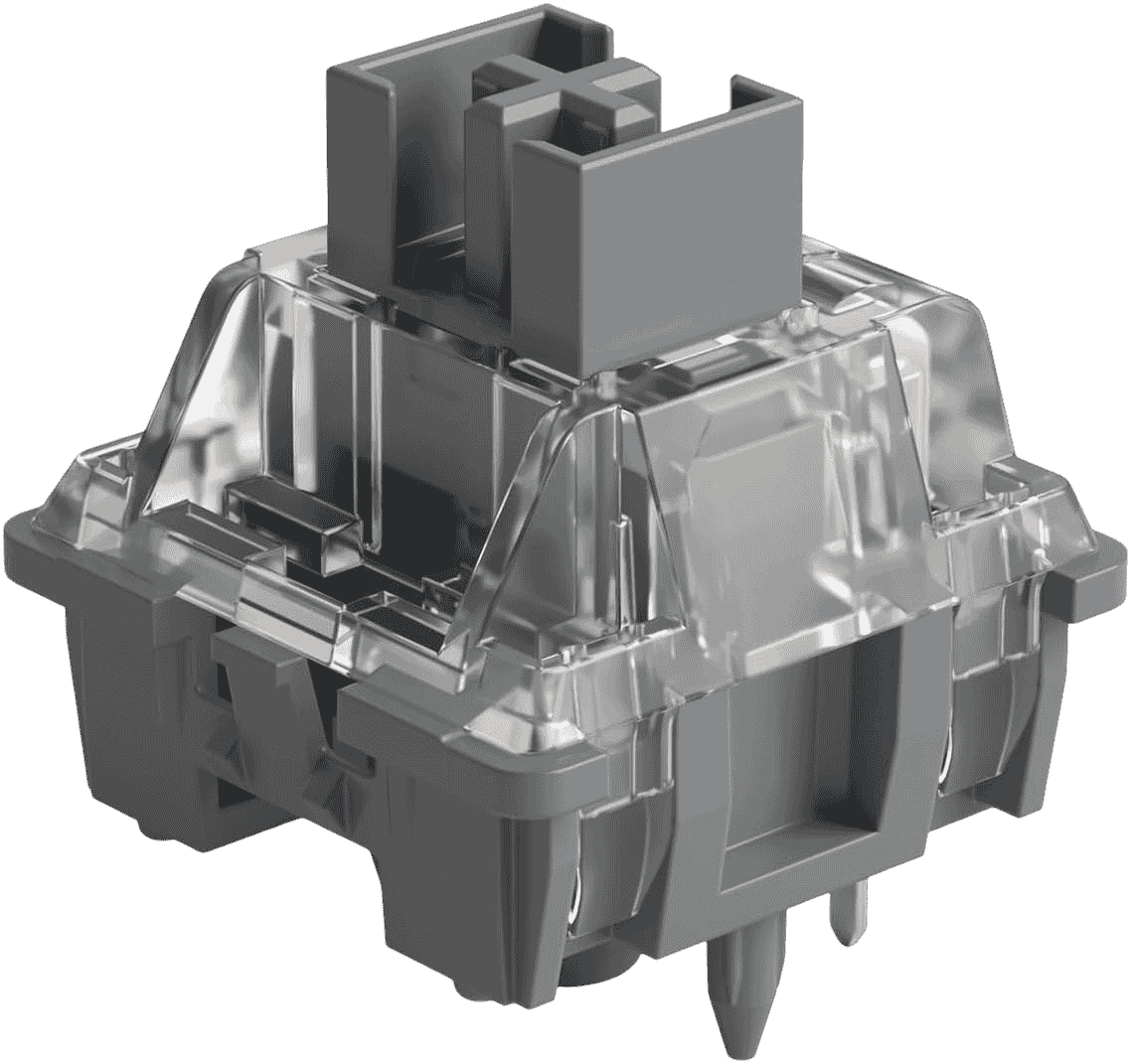
Image credit: (Amazon)
The Akko V3 Silver Pro is a linear switch engineered explicitly for gaming performance. It prioritizes speed above all else, featuring an exceptionally light 40gf actuation force and a shortened travel distance. This design allows for rapid key registration and can help reduce finger fatigue during marathon gaming sessions.
Beyond its speed, it offers a smooth, factory-lubed feel straight out of the box. The combination of its long pole stem and short travel creates a distinct “clacky,” high-pitched, and crisp sound signature upon bottoming out, providing clear auditory feedback with every press.
It’s important to note that such a light and fast switch requires a slight adaptation period. The low actuation force can lead to accidental key presses until your typing or gaming touch adjusts to its sensitivity.
-
Smooth, factory lubed linear feel
-
Fast 1 mm actuation, ideal for gaming
-
Stable 5 pin design reduces wobble
-
Housing enhances RGB shine through
-
Fits most MX style keycaps
-
45 pack may be insufficient for full keyboards
-
Tinted housing can dull RGB lighting
The Akko V3 Silver Pro represents outstanding value. It’s a top recommendation for budget-conscious gamers who play fast-paced genres and want a dedicated, smooth, pre-lubed switch that prioritizes raw response time and a lively sound profile.
5. Best fast gaming switch: Cherry MX Red
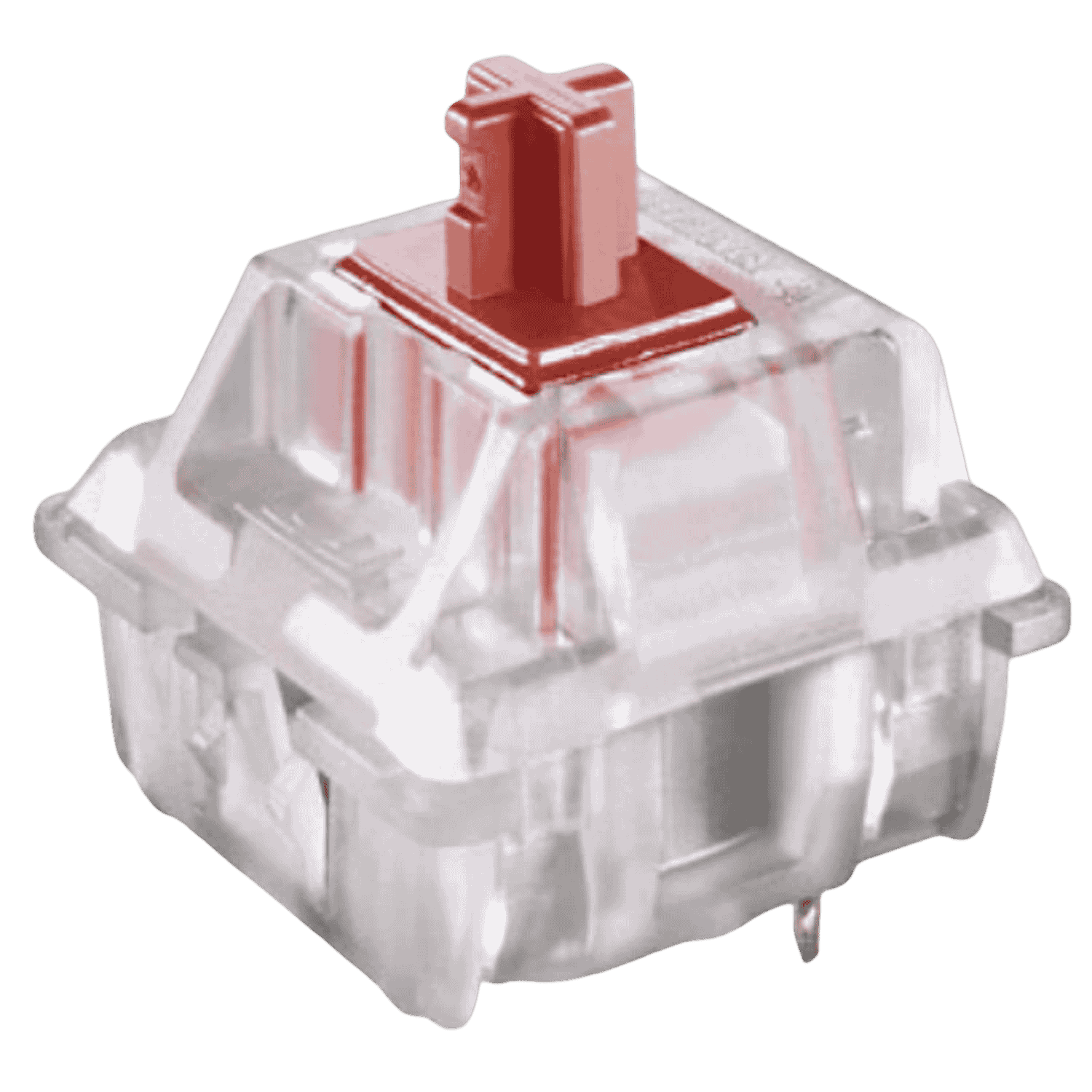
Image credit: (Amazon)
The Cherry MX Red is arguably the most iconic linear switch, widely used in gaming and general-purpose keyboards. Engineered to Cherry’s renowned tolerances, it features a light 45cN actuation force, short actuation distance, and smooth total travel, making it purpose-built for rapid, repeated keypresses.
Its design is RGB-friendly with a clear housing, and the feel is best described as a predictable “press and go.” It offers even resistance from top to bottom with no bump or click, prioritizing pure smoothness and speed above all else. The sound profile is generally quiet compared to tactile or clicky switches, though the final acoustic character is heavily influenced by your keyboard’s plate, case, and keycaps. Many enthusiasts prefer double shot keycaps because they are thicker and produce a deeper sound.
-
Smooth linear keypress, no tactile bump
-
Light 45 g actuation reduces finger fatigue
-
Quiet, suitable for shared spaces
-
Long-lasting, rated for millions of presses
-
Widely supported in many keyboards
-
No tactile feedback can cause accidental presses
-
Feels standard, less exciting than boutique switches
The Cherry MX Red is the definitive choice for gamers and light-touch typists who value speed, smoothness, and quiet operation over tactile feedback. If you heavily rely on a tactile bump to confirm your keystrokes, you will need to look elsewhere. For those seeking the absolute quietest experience, the Cherry MX Silent Red variant is the direct upgrade to consider.
6. Best tactile for typing: Gateron Zealio V2
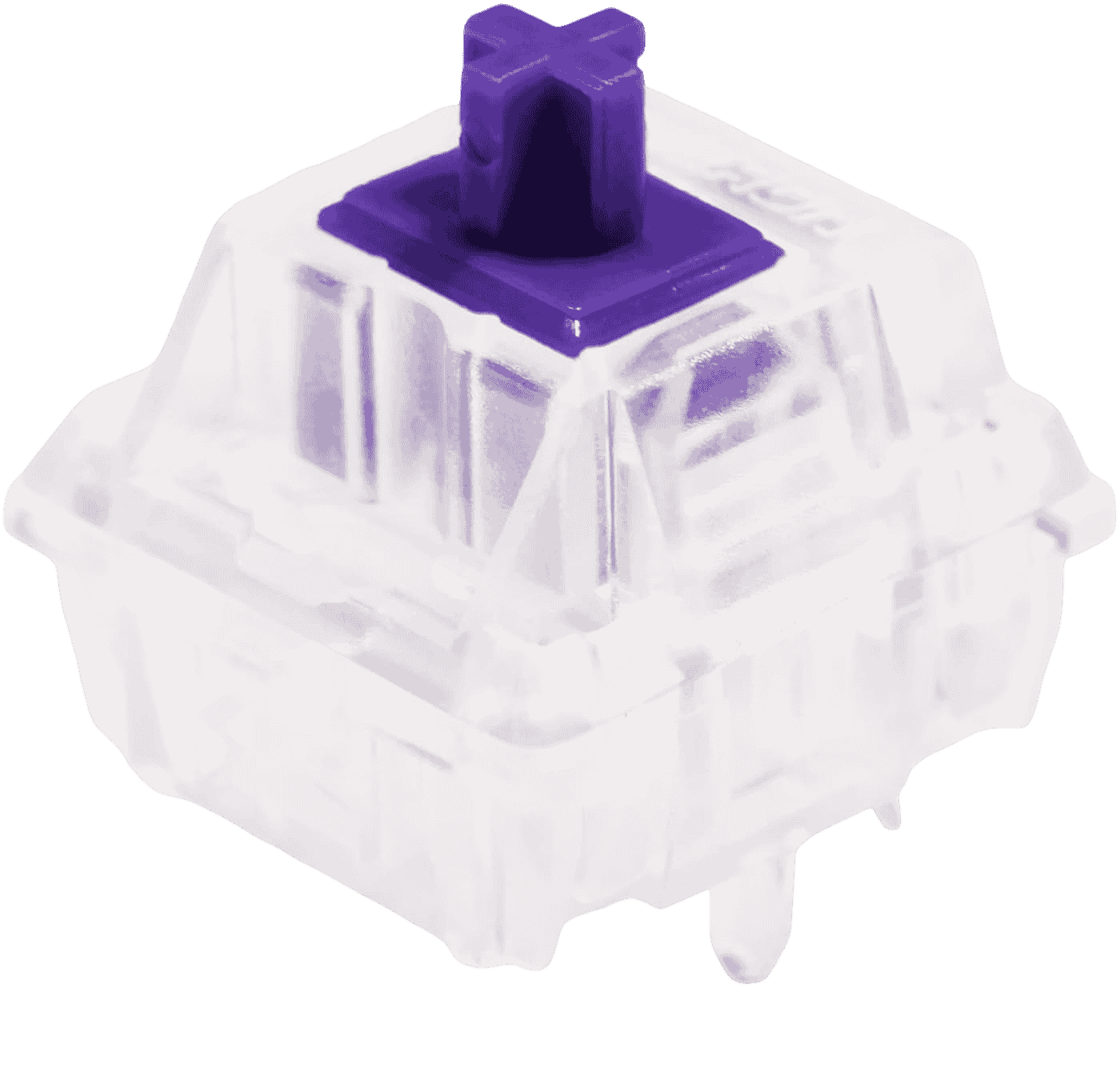
Image credit: (Amazon)
The Gateron Zealio V2 is a highly-regarded tactile switch known for its sharp, immediate bump and premium construction. While facing more competition today, it remains a benchmark for a distinct type of tactile experience, positioned firmly in the premium price tier.
The defining characteristic is its pronounced, “top-actuating” tactility. The bump is designed to be felt from the very top of the keypress with almost no pre-travel, creating a sharp and responsive typing feel. Despite its strength, the bump is rounded, which provides a smooth press that avoids scratchiness. A known issue with stem wobble from the V1 version has been significantly reduced in this iteration, improving overall stability.
This precision comes at a cost. With a price of roughly $1 per switch, it sits in the premium tier. This investment is for enthusiasts seeking a specific, high-fidelity tactile sensation above all else.
-
Smooth actuation with minimal wobble
-
Multiple weight options (62–78 g)
-
Premium build and consistent feel
-
Excellent for typing and daily use
-
Higher price and some pack inconsistencies
The Zealio V2 is ideal for typists and gamers who desire a precise, assertive tactile bump without heavy bottom-out resistance, and for whom a premium feel justifies the price.
7. Best silent switch: Cherry MX Silent Red
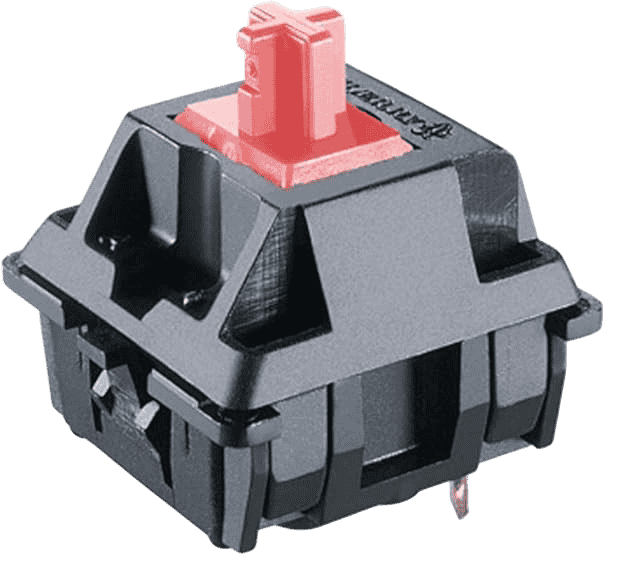
Image credit: (Amazon)
The Cherry MX Silent Red switch has a clear, focused purpose: to deliver a smooth and exceptionally quiet mechanical typing experience. This quietness isn’t just a claim it’s built into the switch’s physical design. The stem features integrated rubber dampeners on both the top and bottom, which act as tiny shock absorbers. These soft pads cushion the impact of each keystroke, significantly reducing noise and creating a distinct, low-pitched “thock” rather than a sharper “clack.”
With a light 45cN actuation force, these switches require minimal effort to press. This can be a double-edged sword: while it makes for effortless, fatigue-free typing and excellent responsiveness in gaming, some users may experience accidental key presses until they adapt to the sensitivity.
This combination of quiet operation and a light, linear feel makes the Silent Red ideal for specific scenarios. They are perfect for shared workspaces, late-night gaming sessions, or for first-time mechanical keyboard users transitioning from membrane boards who will appreciate the quieter, somewhat familiar cushioned feel without sacrificing all the benefits of a mechanical switch.
-
Very quiet typing and gaming
-
Smooth linear feel
-
Light 45 g actuation
-
Great for shared spaces
-
Durable Cherry quality
-
Dampened feel can feel mushy
If your top priority is minimizing noise while maintaining a smooth, fast mechanical response, the Cherry MX Silent Red is a definitive and expertly executed solution.
8. Best smooth premium linear: Gateron Oil King
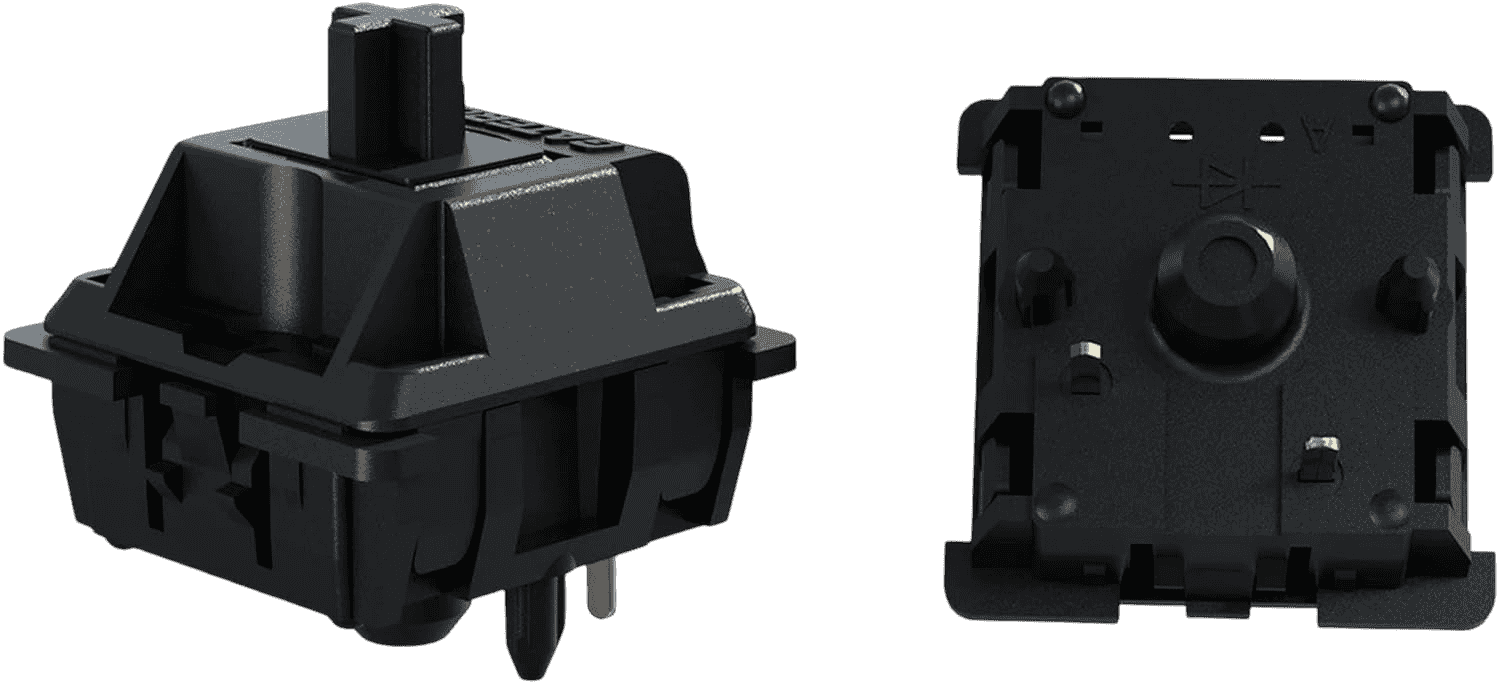
Image credit: (Amazon)
The Gateron Oil King V2 is a premium linear switch celebrated for delivering an exceptionally smooth keystroke and a deep, satisfying sound profile directly from the factory. It is designed for enthusiasts who want a top-tier, “no-modification-required” experience.
Its standout feature is the top-tier factory lubrication. Applied generously to the stem rails and spring, it creates one of the smoothest stock typing feels available, effectively saving you the time and effort of hand-lubing.
The switch achieves its distinctive character through a unique material combination: a specialized nylon top housing paired with a proprietary “INK” blend bottom housing. This combo is responsible for its deep, solid “thocky” acoustic signature and contributes to a consistent, high-quality feel.
The typing experience is best described as buttery smooth and creamy throughout the entire keystroke. It provides a very satisfying and substantial feel, though the heavier 60gf spring weight may cause finger fatigue during very long gaming sessions for some users. It’s also important to note that due to its full opaque black housing, RGB lighting will not shine through effectively.
-
Very smooth linear feel right out of the box
-
Deep “thocky” sound that many users like
-
Solid build quality with stable 5 pin design
-
Good balance of actuation force for typing and gaming
-
Quiet keypresses with minimal scratchiness in many batches
-
Some batches feel inconsistent or scratchy unless relubed
-
Opaque housing dims RGB lighting
The Gateron Oil King V2 is best for typists and enthusiasts who prioritize a luxurious, heavy, and substantial push feel and want a high-performance linear switch that performs impeccably without any modification.
9. Best clicky experience: Gateron Blue
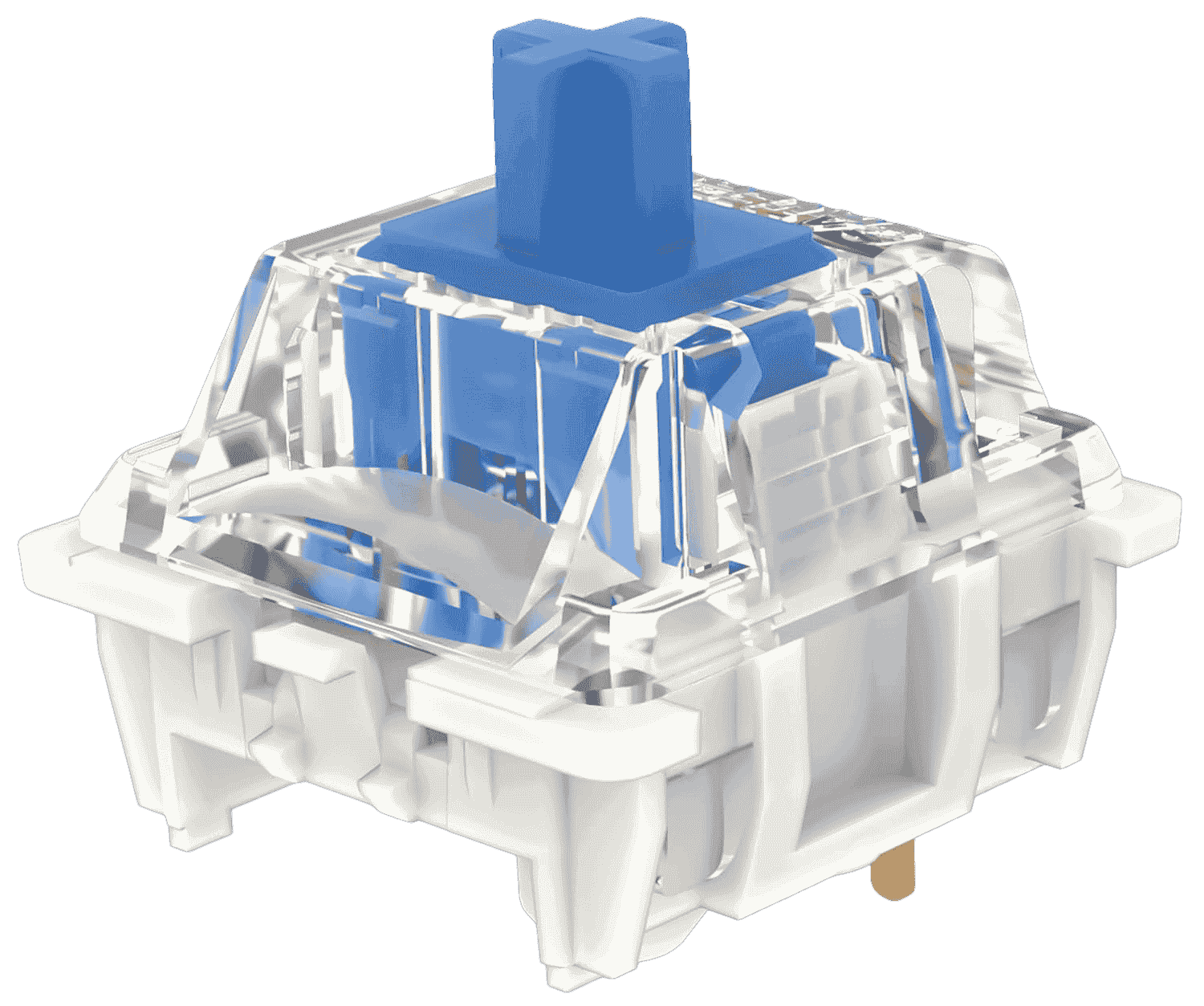
Image credit: (Amazon)
The Gateron G Pro 3.0 Blue is a factory-lubed, clicky switch designed to deliver the definitive mechanical keyboard experience. It offers sharp tactile feedback combined with a distinct, loud audible click and an enhanced translucent housing for vibrant RGB lighting.
With a moderate 60g actuation force, it sits between heavier and lighter switches, providing a substantive typing feel. The click mechanism utilizes a full 4.0mm travel, which means the actuation is slightly slower compared to ultra-light linear switches designed purely for speed. This characteristic, along with the pronounced tactile bump and sound, makes it comparatively harder to press rapidly than a smooth linear switch.
Most enthusiasts are drawn to this switch for the classic satisfaction it provides the pronounced tactility and sharp auditory feedback create an engaging and responsive typing rhythm.
-
Reliable pin enhanced design
-
Pre lubed for smooth feel
-
Clicky tactile feedback
-
Transparent housing for RGB
-
Works with most hot swap boards
-
Clicky sound is loud
-
Less satisfying than Cherry Blues for some
These switches excel for general typing and casual gaming where speed is secondary to tactile enjoyment. They are the ideal choice for users who love the traditional clicky sound and feel and appreciate the convenience of factory pre-lubrication.
10. Best clicky snap feel: Kailh Box White
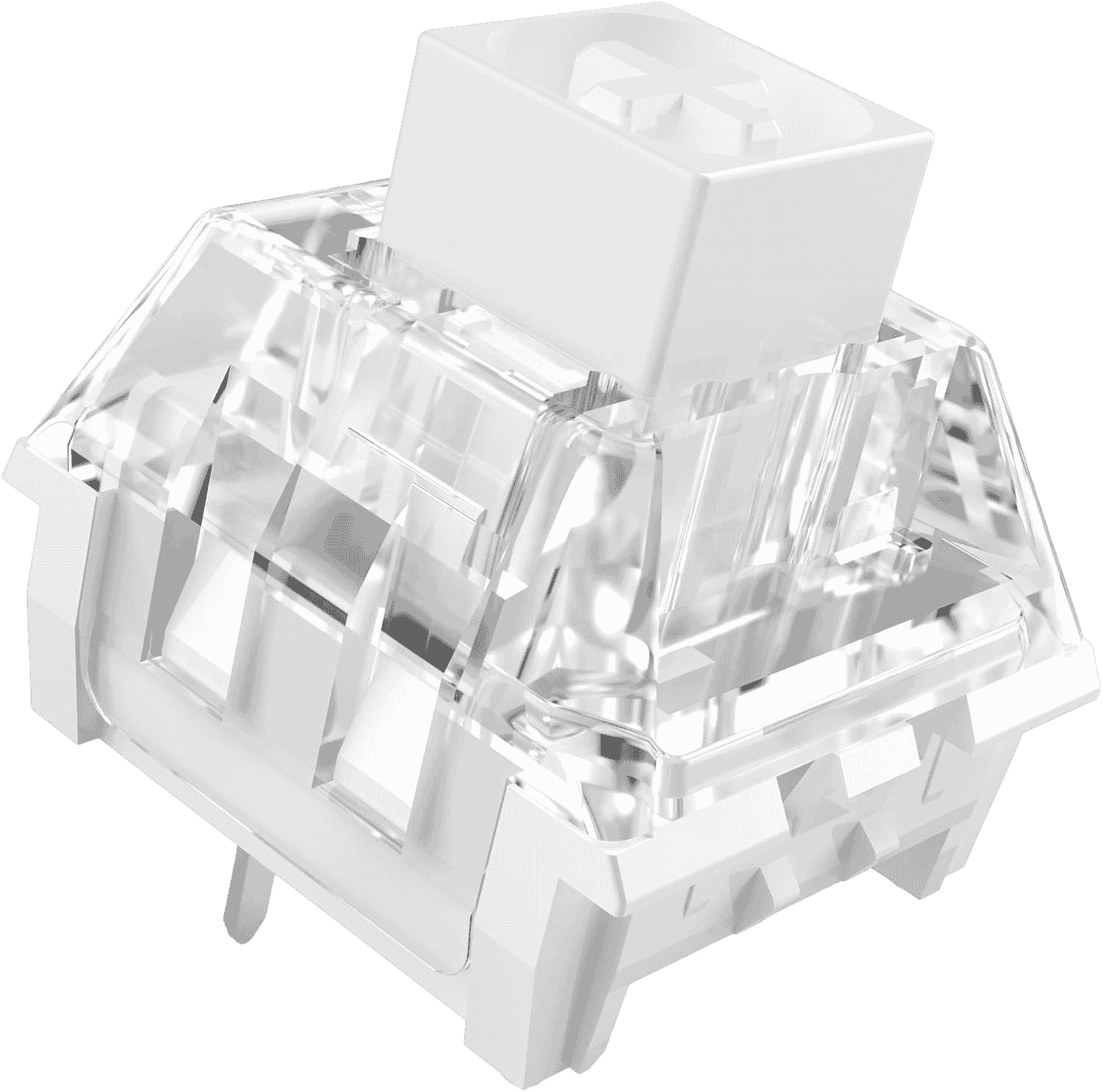
Image credit: (Amazon)
The Kailh Box White switch is renowned for delivering a light, crisp, and polished clicky experience. It has become a favorite for those who love the classic audible feedback of a clicky switch but prefer a sharper, less rattly sound than traditional Blues.
Its defining feature is the innovative “click bar” mechanism, inspired by vintage keyboard designs. Unlike the “click jacket” used in switches like Cherry MX Blue, this metal bar provides a more distinct and consistent tactile bump paired with a satisfying snap. This design, combined with a unique box-shaped stem that encapsulates the internal contacts, makes the switch highly resistant to dust and light moisture. The box design also offers excellent stem support, significantly reducing wobble for a stable typing feel. Inside the switch, tiny metal components called keyboard switch leaves are responsible for registering each keystroke.
A notable characteristic of the click bar mechanism is the timing between the click and the actuation point. Users may occasionally experience the key registering just before the audible click happens, or vice versa. This is something to consider if you heavily rely on the sound itself to confirm a keypress. For gaming, its light operating force and consistency make it a solid performer. The distinctive click sound often becomes a non-issue when wearing a headset. Ultimately, this switch is for the user who wants a cleaner, more durable clicky experience with modern refinements, appreciating both its unique sound and its practical resilience.
-
Crisp, satisfying clicky feedback
-
Dust and waterproof Box design adds durability
-
Reduced key wobble thanks to box stem structure
-
Compatible with most MX style keycaps and boards
-
Favored by many Reddit users for typing feel
-
Loud clicky sound not ideal for quiet spaces
-
Some inconsistency in quality build or feel
Choose the Kailh Box White if you love clear audible feedback but want a crisper, more reliable alternative to classic Blue switches, and value the added durability of its protective design.
Buying Guide (Best switches for mechanical keyboards)
Choosing the right switch is about matching its engineering to your hands, ears, and daily use. To make the best decision, focus on these three core factors: Purpose, Force, and Sound.
Instead of just picking a type, start by defining your primary activity. Your daily use should guide your choice toward the switch characteristic that enhances it.
- For Competitive Gaming & Speed: Prioritize smoothness and consistency. Linear switches are the standard here, as their unimpeded travel allows for the fastest double taps and fluid movement. Look for light to medium actuation forces (like 45g-55g) to minimize finger fatigue during long sessions.
- For Typing & Productivity: Prioritize feedback and rhythm. Tactile switches excel here, as their bump provides clear confirmation of each keypress without being disruptive. This can improve accuracy and reduce bottoming-out force, which naturally helps many users increase their typing speed and WPM over time. A medium bump with 55g-60g force is often the “sweet spot.”
- For a Sensory & Auditory Experience: If you enjoy the classic mechanical sound and sharp feedback, clicky switches are made for you. They offer immense typing satisfaction but are best for private spaces. Consider ones with a refined mechanism (like a click bar) for a crisper sound.
Measured in grams (g), actuation force determines how much effort is needed to register a keypress. It’s an easy spec to overlook but dramatically impacts comfort over long sessions.
- Light (35g–50g): Requires minimal pressure, making rapid taps feel almost effortless. Ideal for gamers who need quick, repeated inputs, though very light switches may lead to more accidental presses.
- Medium (50g–60g): The comfort zone for most users. Provides enough resistance for control during typing without being heavy enough to cause fatigue. This range is an excellent sweet spot for hybrid gaming and typing.
- Heavy (60g+): Offers a substantial, intentional push-back with each press. Preferred by some typists for its solid feel and for avoiding accidental keypresses when resting fingers on the keys. Can be tiring during long gaming sessions.
The noise profile dictates where you can comfortably use your keyboard. Sound is influenced by the switch type, its housing materials, and your keyboard’s construction.
- Quiet: Primarily achieved with linear switches (especially silent variants). They produce a soft, muted sound, perfect for late-night sessions, offices, or shared spaces.
- Moderate: Most tactile switches live here. You get the crisp feedback of the bump without a disruptive click. This balanced sound profile works well in most home and office setups.
- Loud: The domain of clicky switches. Their mechanical click bar or jacket creates a pronounced snap with every keypress. Best suited for private spaces or for those who embrace the classic mechanical sound.
Before you buy, cross-reference these three factors. Ask yourself: What is my primary purpose (gaming, typing, sensory experience)? What weight suits my use case (light, medium, heavy)? And what sound level is appropriate for my environment (quiet, moderate, loud)? Answering these will lead you to your perfect switch.
Conclusion
If you’re choosing your first set of switches, the safest move is to decide what matters most: sheer speed, tangible feedback, or a specific sound. Lock in that one priority, and the rest of the decision becomes much clearer.
Remember, all three switch families have excellent options. The right choice isn’t about chasing what’s popular; it’s about what matches how you play, type, and work every day. Once you know your preferred feel, weight, and acceptable noise level, finding your perfect switch transforms from an overwhelming puzzle into a simple, satisfying match.
Found your perfect switch type? Share your choice or ask your final questions in the comments below!
FAQ’S
This mostly depends on the person. Some gamers or users prefer linear switches. The main difference is that linear switches are quieter compared to clicky switches.
Most gamers prefer linear switches because they respond quickly and make fast key presses easier.
Brown switches are usually considered a bit loud because they create a tactile bump when pressed.
Between red and brown switches, red is usually considered the quieter one.
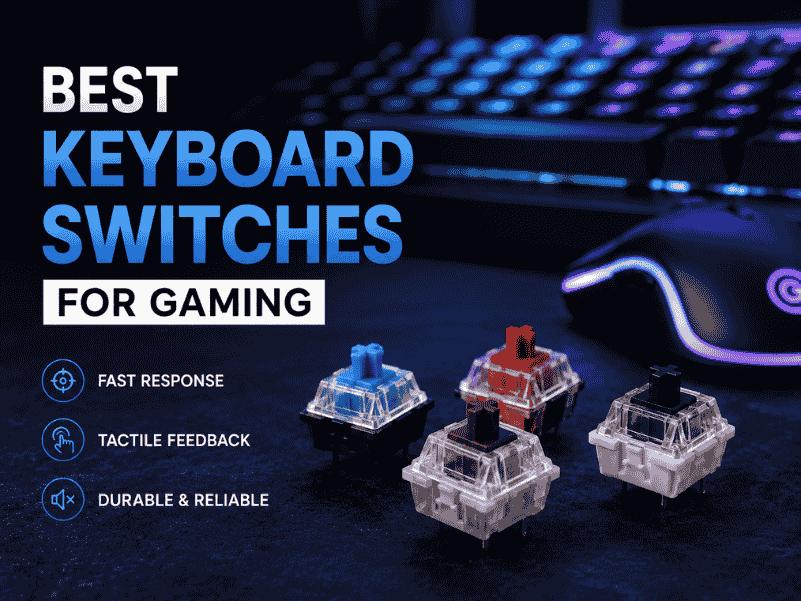
Explore the Best keyboard switches for gaming with lightning-fast actuation, crisp feedback, and durable builds elevate your play and dominate every match!
Stuck between Red, Brown, or Blue switches? Find the Best Cherry MX Keyboards for gaming, office, and programming with our simple guide.
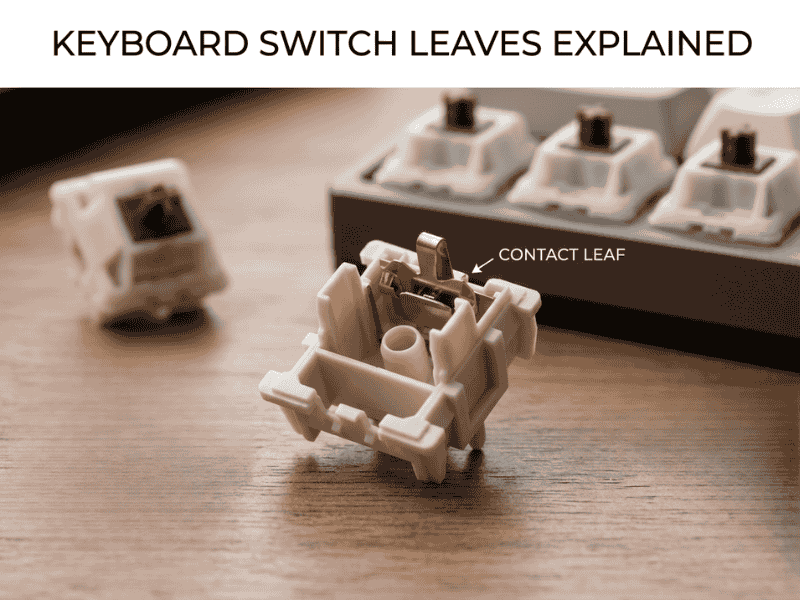
Keyboard Switch Leaves Explained: learn how leaf design, material, and spring tension impact switch responsiveness and typing feel.
What is a mechanical keyboard switch’s actuation force, why it matters, and how it affects typing and gaming performance.